← Back to Home

Economics & Finance

The Art of Timing: Why Strikes Happen When Society Needs Workers Most

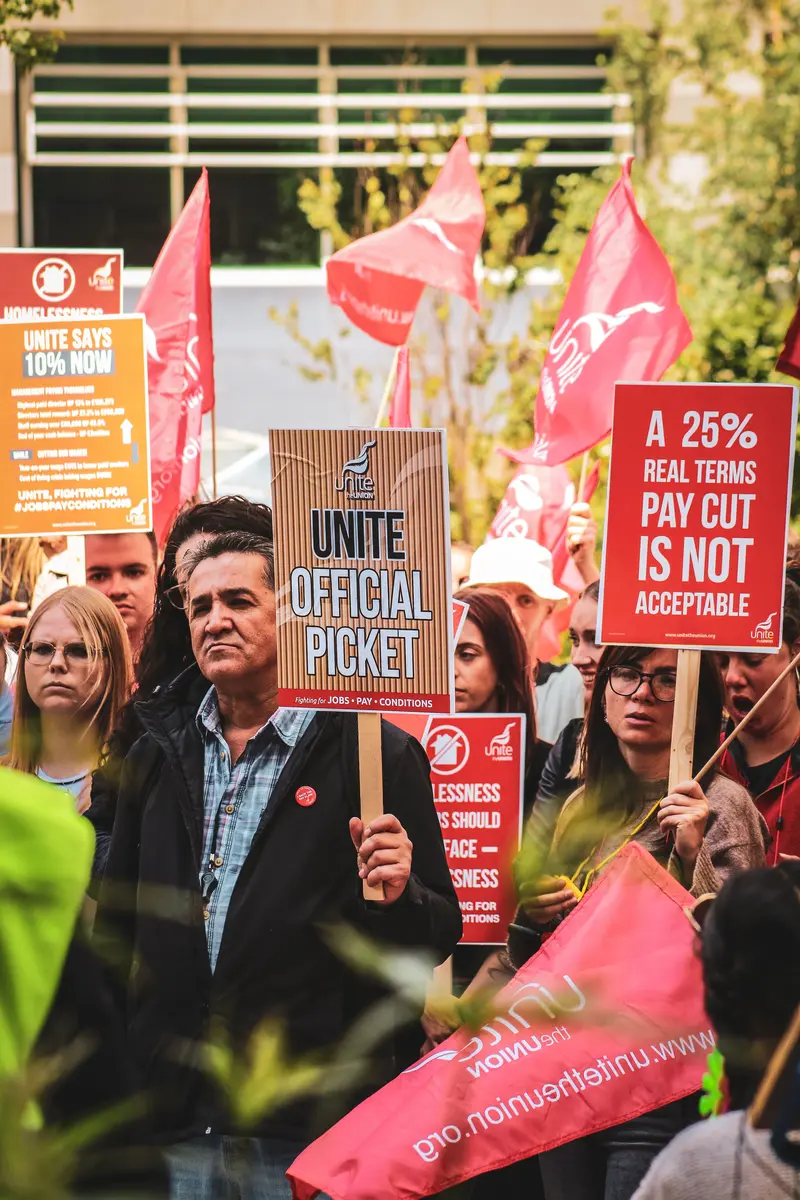
When transit operators strike during exam season, teachers walk out during the school year, postal workers disrupt Christmas deliveries, and stadium workers threaten a walkout before a major sporting event, many people ask the same question: Why now? The answer lies in the economics of bargaining power. A strike that causes little disruption has little leverage. But while strategic timing may help workers win concessions, it also raises difficult questions about the costs imposed on the public.

When Market Gurus Become Market Manipulators

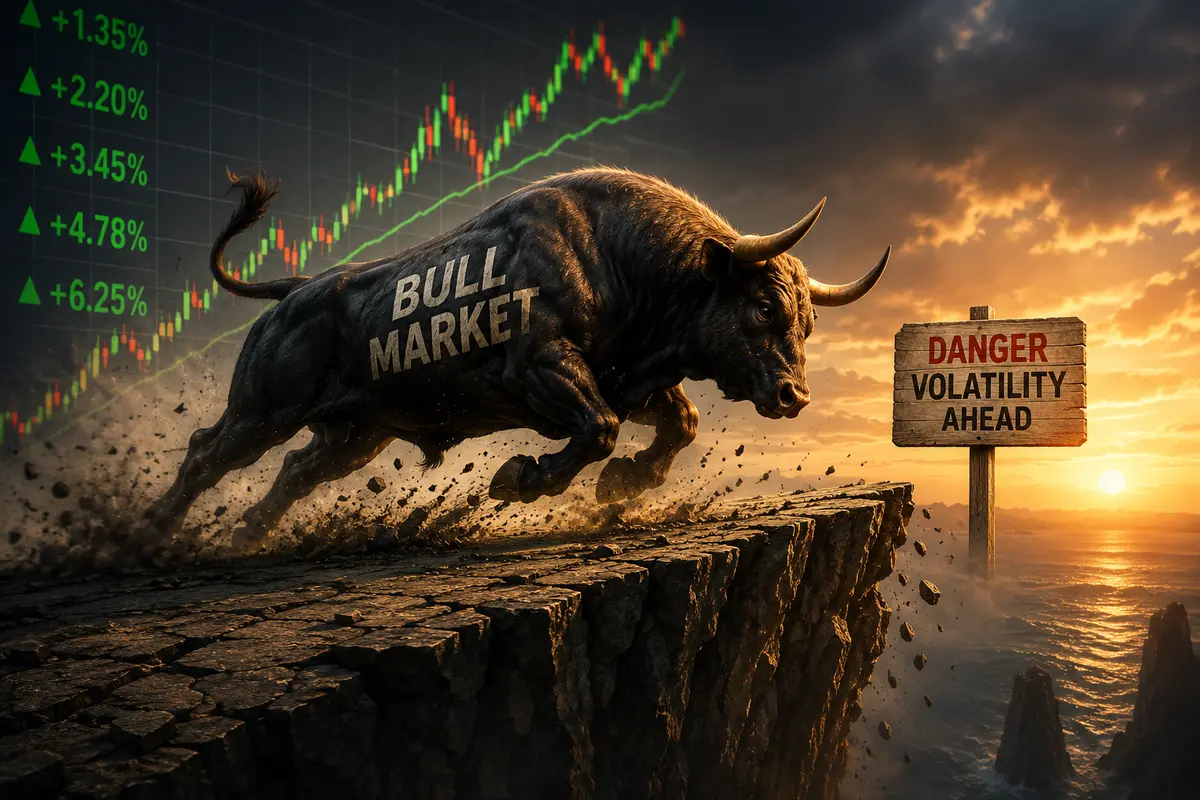
Investors often look to celebrated analysts, social-media personalities, and market experts for guidance. But what happens when those trusted voices use their influence for personal gain? Recent events have reignited concerns about market manipulation, reminding investors that blind trust can be one of the most expensive mistakes in investing.

The Credit Card Trap: Why Smart People Keep Spending Money They Don't Have

Americans now carry over $1.25 trillion in credit-card debt. Yet most debt problems do not begin with reckless shopping sprees. They start with small compromises, rising costs, emotional decisions, and the belief that tomorrow's income will solve today's problems. Understanding the psychology behind debt may be the first step toward escaping it.

The Rich No Longer Want Luxury — They Want Isolation

For decades, wealth was about visibility — penthouses, luxury cars, designer stores, and public status. But something has changed. Today’s wealthy increasingly seek privacy, distance, gated living, private healthcare, secluded travel, and freedom from the crowds. In an age of instability, noise, and digital overload, the ultimate luxury may no longer be attention — but isolation.

The World as a Casino: Betting on the Apocalypse and Other Tuesday Events

As prediction markets turn war and elections into "event contracts," we examine the thin line between market wisdom and a global gambling addiction that treats the end of the world as just another payoff.

Too Big to Fail: Why the World’s Oldest Enterprise Never Fails

While some economists argue that religions only thrive by acting like "exclusive clubs" with high entry costs, a global perspective reveals a much larger machine at work. From the Kumbh Mela to the Hajj, the world’s most successful faiths operate as "Too Big to Fail" ecosystems. By utilizing a "freemium" model—where the masses provide scale and the wealthy provide capital—religion becomes a platform supported by governments, transport, and hospitality industries alike. This is the story of how an enterprise succeeds not by keeping people out, but by becoming the very infrastructure of society itself.