How Should a Mature Democracy Remember Its Past?
As the United States celebrates 250 years of independence, another debate has quietly returned to the national stage: what should be done with public monuments that were removed during the social upheaval of 2020? The discussion is not simply about statues. It raises a much deeper question that every democracy eventually faces—how should a nation honour its history while acknowledging its imperfections? The answer may determine not only how future generations remember the past, but also how they define their national identity.
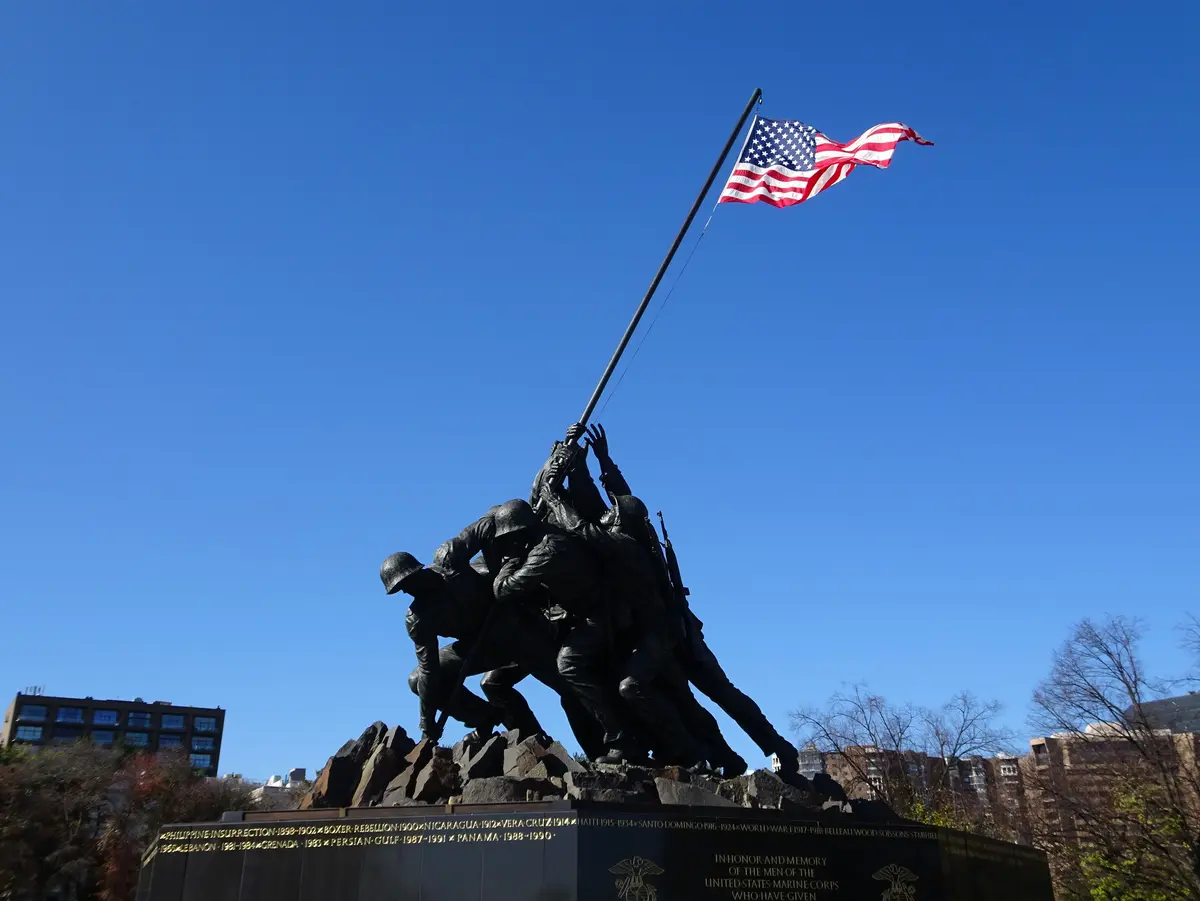
On July 4, 2026, Americans celebrated a remarkable milestone—the 250th anniversary of the nation's founding. Across the country, cities held parades, fireworks illuminated the night sky, historical reenactments attracted thousands of visitors, and newspapers dedicated extensive coverage to the occasion. It was a celebration of a nation that has grown from thirteen colonies into one of the world's most influential democracies.
Yet beneath the festivities lies another conversation that has quietly resurfaced.
Several American cities are considering restoring public statues that were removed or hidden during the protests of 2020. To some, their return represents a renewed confidence in America's history. To others, it revives painful memories of injustice.
The debate raises a question that extends far beyond the United States.
How should a mature democracy remember its past?
The Origins of the Statue Debate
The movement to remove statues gained momentum in the summer of 2020 following the death of George Floyd and the nationwide protests that followed.
Citizens across the country began asking whether certain historical figures deserved places of honour in public spaces. The discussion focused primarily on monuments commemorating leaders of the Confederate States during the American Civil War, many of whom fought to preserve a society built upon slavery.
Historians also pointed out that many of these monuments were erected decades after the Civil War—not immediately following it—but during the era of racial segregation. Their purpose, critics argued, was often as much political as historical.
For many Americans, therefore, the issue was not about erasing history but reconsidering whom society chooses to celebrate.
A Monument Is More Than History
One of the strongest arguments made by supporters of removing certain statues is the distinction between preserving history and celebrating it.
History belongs in textbooks, archives and museums.
A monument, however, occupies a place of honour. It represents society's public recognition of an individual's contribution to the nation.
From this perspective, removing a statue does not erase history. It simply changes the way that history is publicly commemorated.
Many supporters suggested relocating controversial monuments to museums, where they could be viewed alongside historical context rather than standing alone as symbols of admiration.
Why Many Americans Objected
Not everyone agreed.
Many Americans accepted that historical figures were imperfect while believing that removing monuments risked judging previous centuries exclusively by today's moral standards.
Others feared that once society began reassessing historical figures, there would be no obvious stopping point.
If Confederate leaders could be removed because of their association with slavery, what about George Washington or Thomas Jefferson, both of whom owned enslaved people despite playing indispensable roles in founding the United States?
Some questioned whether history itself was gradually being rewritten rather than better understood.
Another concern was procedural.
Several statues were removed through acts of protest or vandalism before local governments had completed public consultations. Even citizens who supported relocating some monuments often believed such decisions should emerge through democratic debate rather than public anger.
Why Some Cities Are Bringing Them Back
Six years later, the political climate has changed.
Some local governments are reconsidering decisions made during the emotional atmosphere of 2020. In some communities, statues that had been placed in storage are being restored to public view. Others are adding explanatory plaques that provide historical context rather than presenting the figures uncritically.
Supporters believe restoration reflects renewed confidence in the nation's history during America's 250th anniversary.
Their argument is that mature nations should acknowledge both achievements and failures without attempting to hide either.
Critics, however, worry that restoring certain monuments may overlook the experiences of communities who associate those figures with oppression or exclusion.
History or Honour?
Perhaps the central issue is that both sides are asking different questions.
One asks:
How do we preserve history?
The other asks:
Whom should we honour?
These questions are related but not identical.
A democracy can preserve every historical document, every archive and every museum exhibit while still debating whether particular individuals deserve places of permanent public honour.
Likewise, removing a monument does not necessarily erase history, just as leaving one standing does not prevent honest discussion about the person's legacy.
Recognising this distinction may help reduce the emotional intensity surrounding the debate.
Every Democracy Faces This Challenge
The United States is hardly unique.
Countries around the world continue to reassess how they commemorate difficult chapters of their history.
Germany openly confronts the horrors of the Holocaust through education and memorials rather than celebration.
South Africa continues to grapple with the legacy of apartheid while building a shared national identity.
Former colonial powers across Europe increasingly debate monuments associated with empire and colonial expansion.
Each democracy must answer the same question:
How can a nation remain proud of its achievements while remaining honest about its failures?
Remembering Without Forgetting
History is rarely simple.
The individuals who shaped nations were often capable of remarkable achievements alongside profound moral failings. Judging them requires understanding both the standards of their own time and the enduring principles by which later generations evaluate them.
Perhaps the answer is neither to hide uncomfortable history nor to celebrate it uncritically.
A mature democracy does not become stronger by pretending its mistakes never happened.
Nor does it become wiser by forgetting the individuals who shaped its journey.
Instead, it grows by preserving history honestly, providing context generously and allowing each generation to engage thoughtfully with the past.
As America celebrates its 250th anniversary, the debate over statues reminds us that democracy is not only about choosing our future.
It is also about deciding how we remember our past.
Final Thoughts
Public monuments will probably continue to generate debate for generations to come.
That is not necessarily a sign of national weakness.
It may instead be evidence of a healthy democracy—one willing to question itself, revisit difficult chapters of its history and engage in open discussion without abandoning either truth or patriotism.
The challenge is not to create a perfect version of history.
It is to remember it honestly.
Sources:
1. U.S. Cities Dust Off Statues They Hid Away in 2020 - By Cameron McWhirter from The Wall Street Journal dated June 4, 2026
2. Ready to Ring In America’s 250th Birthday Party - The Wall Street Journal dated July 4, 2026
Leave a Comment
Comments