When “Neutrality” Isn’t Neutral: Who Really Decides What Kids Learn?
From Alberta to Texas, governments are stepping deeper into classrooms—framing it as neutrality, tradition, or cultural grounding. But beneath the surface lies a bigger question: are we teaching students how to think, or quietly deciding what they should think?
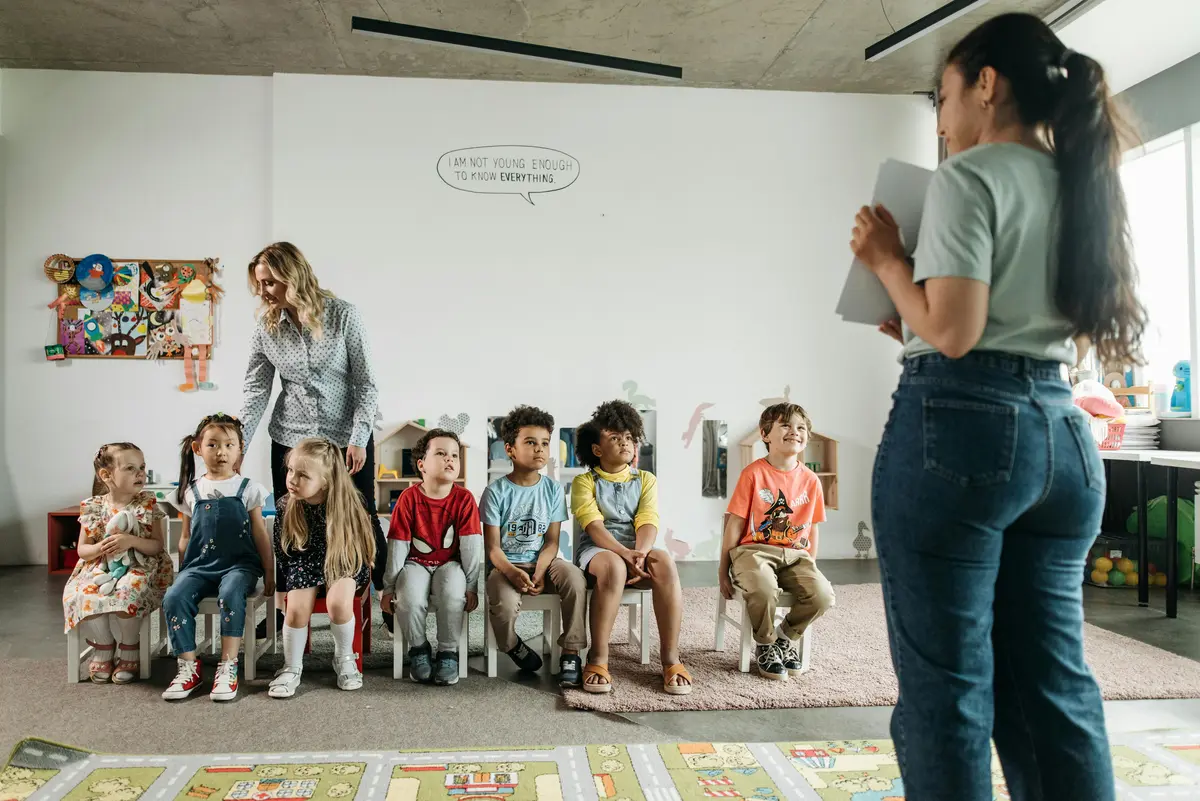
Some stories don’t look related at first glance. One is about a Canadian province talking about “neutrality” in classrooms ( School boards express concern over province increasing its own powers - Medicine Hat News, 8 Apr 2026 By Zoe Mason) . The other is about a U.S. state considering Bible readings in school curriculum ( Texas Considers Having Bible Readings in School - The New York Times, 8 Apr 2026 By SARAH MERVOSH ) . Different countries, different tones, different political flavors.
But sit with it for a minute—and you start to feel the same pulse underneath both.
In Alberta, the government says it wants classrooms free from bias. The idea sounds almost impossible to argue against. Who doesn’t want fairness? Who doesn’t want students to think independently?
Yet, the concern raised by groups like the Canadian Civil Liberties Association is subtle but powerful: once a government starts defining what counts as “bias” or “ideology,” it also gains the ability to quietly remove or soften certain topics. And that’s where neutrality begins to blur into control.
Think about it—how do you teach something like the Holocaust “neutrally”? Can you really strip emotion, moral weight, and historical judgment out of it without hollowing it out?
Now shift to Texas.
Here, the argument isn’t about neutrality—it’s about grounding education in cultural and historical roots. Supporters say including Bible readings helps students understand Western civilization. And honestly, there’s a fair point there. A lot of literature, art, and even political ideas are deeply tied to biblical references. Ignoring that entirely would leave gaps.
But critics push back for a different reason. They’re not just worried about religion being included—they’re worried about what gets left out. If the curriculum leans heavily into one tradition, does it quietly sideline others? And in a state where classrooms are incredibly diverse, that question hits harder.
So now you’ve got two systems:
- One trying to remove “ideology”
- Another trying to reinforce “cultural foundations”
And yet, both are wrestling with the exact same tension:
Who gets to decide what is essential knowledge—and what is optional, biased, or expendable?
That’s the real story here.
Not the bill numbers.
Not the political parties.
Not even the specific books.
It’s about control of the narrative.
And here’s where it gets a bit uncomfortable.
Because we often like to believe education is this neutral, objective machine that simply delivers knowledge. But it never really has been. Every curriculum is a curated story. Every reading list is a set of choices. Every omission is, in its own quiet way, a statement.
What’s changing now is not that influence exists—but that it’s becoming more visible, more deliberate, and more centralized.
There are upsides to this, to be fair.
A more structured curriculum can bring consistency. It can prevent classrooms from drifting too far into personal opinions. It can anchor students in shared knowledge—something that’s increasingly rare in a fragmented world.
But the downside? It narrows the room for exploration.
And exploration is where real thinking happens.
If students are only exposed to what is deemed “acceptable,” they may learn to analyze—but only within boundaries they didn’t choose.
And that’s a quiet limitation.
The irony in both Alberta and Texas is almost poetic. Both sides claim they want students to “learn how to think, not what to think.”
But the moment you start filtering content—whether in the name of neutrality or tradition—you are, at some level, shaping what thinking looks like.
Not forcing conclusions, maybe.
But definitely guiding the path.
So where does that leave us?
Probably somewhere in the messy middle.
Complete neutrality is a myth.
Total cultural dominance is risky.
The sweet spot—if it exists at all—is in balance. A system that exposes students to foundational ideas and competing perspectives. One that gives them tools to question everything—including the curriculum itself.
That’s harder to design. And definitely harder to control.
Which is exactly why it’s worth aiming for.
Closing Thought
If you’re looking at these two stories and wondering whether they’re connected—the answer is yes, but not in the obvious way.
They’re not copies of each other.
They’re reflections of the same deeper struggle.
A struggle over influence, identity, and the future of thinking itself.
And whether we admit it or not, that’s a conversation that’s just getting started.
Leave a Comment
Comments