When Does Coaching Become Abuse?
A viral video of a basketball coach forcing a student to slap himself has sparked outrage in Hong Kong. But the incident raises a larger question that extends far beyond one school or one country: where is the line between discipline and humiliation in youth sports, and how much mistreatment are we willing to tolerate in the name of success?
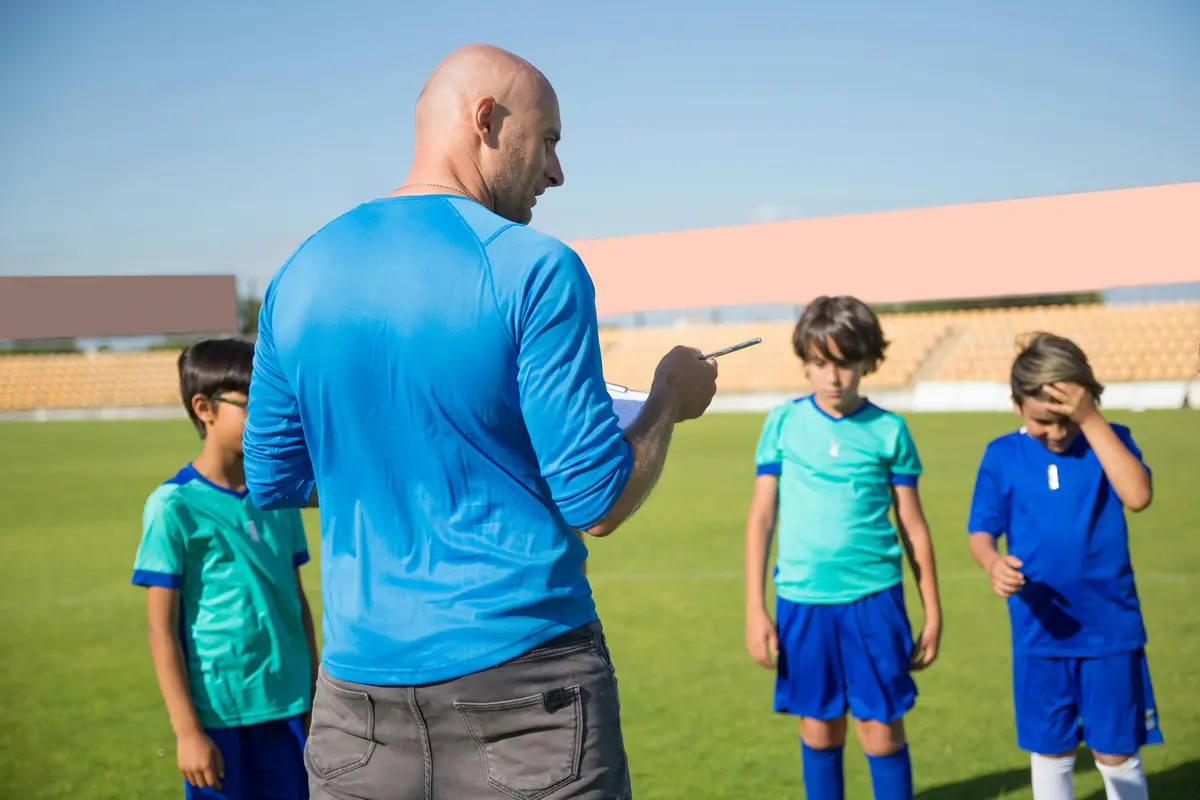
A recent video from Hong Kong sparked widespread condemnation. In the footage, a basketball coach appears to force a student to slap himself in front of teammates as a form of punishment. The coach later apologized, acknowledging that no circumstance could justify treating a student in such a manner.
The incident generated predictable reactions. Many observers were shocked by the public humiliation. Child-protection advocates pointed to the psychological harm that such treatment can inflict. Education authorities launched an investigation. The coach was suspended.
Yet beneath the headlines lies a more interesting question: was this simply the misconduct of one individual, or does it reveal something deeper about the culture of competitive sports?
Most people would agree that a coach physically striking a student crosses a line. The challenge is that the line is not always so obvious.
For generations, coaches around the world were celebrated for their toughness. Stories of strict training sessions, harsh criticism, and relentless discipline became part of sporting folklore. Successful athletes often credited demanding coaches for pushing them beyond their perceived limits.
The problem arises when discipline becomes humiliation.
The purpose of coaching is to develop skill, confidence, teamwork, and resilience. Humiliation serves a different purpose. It establishes power. It reminds the athlete who is in control. When punishment is carried out publicly, especially in front of teammates, the emotional impact often extends beyond the physical act itself.
The student in the Hong Kong video was not merely being corrected. He was being made an example.
That distinction matters.
What makes the story particularly relevant is that similar concerns have surfaced in many countries, including those that pride themselves on modern child-protection standards. Investigations involving gymnastics, swimming, football, figure skating, and other sports have repeatedly exposed environments where athletes were subjected to intimidation, verbal abuse, public shaming, or pressure to train through injuries.
The methods may differ, but the underlying question remains the same: how much is acceptable in the pursuit of excellence?
Sports occupy a unique place in society. We admire winners. We celebrate championships. We tell ourselves that greatness requires sacrifice. Sometimes that admiration creates blind spots. A coach who consistently produces successful athletes may be granted freedoms that would never be tolerated in an ordinary classroom or workplace.
Parents may remain silent because they do not want to jeopardize opportunities for their children. Athletes may endure mistreatment because they fear losing playing time or selection to elite teams. Fellow coaches may look away because the results appear impressive.
The danger is that success can become a justification for conduct that would otherwise be condemned.
My own limited experience with organized sport offers a different perspective. As a schoolboy, I spent a short period learning cricket under the guidance of a seasoned player who volunteered his time. His coaching helped me develop enough confidence and skill to become an opening batsman for my school team. What I remember most is not discipline through fear. It was encouragement, instruction, and patience.
That experience raises a simple question. If effective coaching can be achieved through teaching and mentorship, why do some still believe humiliation is necessary?
Perhaps the answer lies in a misunderstanding of what strength really means.
A strong coach develops athletes who perform well when the coach is absent. A weak coach relies on fear to maintain control. One builds confidence. The other demands compliance.
The Hong Kong incident should not be viewed merely as a scandal involving one coach and one student. It should prompt a broader conversation about the purpose of coaching itself. Winning matters. Discipline matters. Accountability matters.
But dignity matters too.
The measure of a coach is not only the number of victories achieved. It is also the character of the athletes left behind when the season ends.
Sources:
1. Zero Tolerance for Corporal Punishment - By Theodora Yu, The South China Morning Post, dated June 03, 2026
Leave a Comment
Comments