The Slowest Invasion in Sports History
The world's most popular sport has finally broken through in America. Only one question remains: has soccer truly arrived, or is this just another temporary guest at the world's largest sporting party?
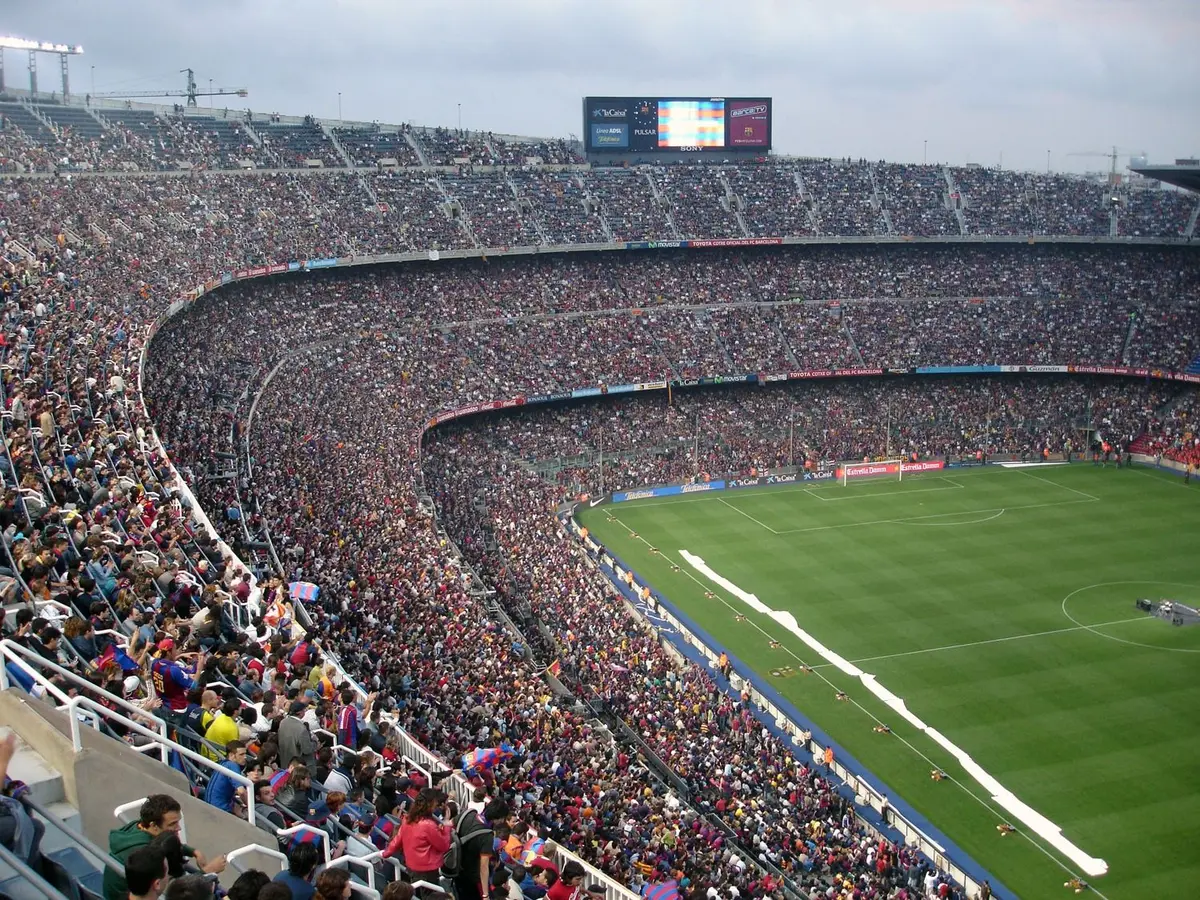
If extraterrestrials had landed on Earth sometime during the last century and conducted a survey, they might have noticed something strange.
Nearly every country on the planet was obsessed with one sport.
Brazil loved it.
England worshipped it.
Germany organized it.
Argentina turned it into religion.
Even countries that couldn't agree on politics, economics, or which side of the road to drive on somehow agreed on football.
Then there was America.
A nation that looked at the world's favorite sport and collectively said:
"Interesting. But what if we stopped the game every eleven seconds, added commercials, hired a marching band, and called that football instead?"
For decades, soccer occupied a peculiar position in American culture. It was the sport everyone played as a child and almost nobody watched as an adult.
Millions of American parents spent weekends driving children to soccer fields. Then, after the games ended, they went home and watched football.
It was as if the entire country had agreed that soccer was an excellent activity for children but not necessarily for grown-ups.
The rest of the world watched this behavior with fascination.
Imagine if Italians taught every child to cook pasta and then spent Sunday evenings eating tacos.
Was America Kept in the Dark?
Conspiracy-minded sports fans occasionally suggest that soccer's slow growth was no accident.
After all, American football, baseball, basketball, and hockey already occupied valuable television space.
Why introduce a competitor?
Professional sports are not merely games. They are giant entertainment businesses worth billions of dollars.
Television contracts, sponsorships, merchandise, stadiums, fantasy leagues, sports betting, and endless debates about statistics all depend on keeping fans emotionally invested.
The established leagues had every incentive to protect their turf.
But the simpler explanation is probably more convincing.
Americans weren't prevented from watching soccer.
Many simply preferred sports designed around American tastes: higher scoring, more statistics, more stoppages, and enough commercial breaks to allow viewers to refill snacks without missing anything important.
Soccer asked for patience.
America preferred instant replay.
Then Something Changed
Slowly, almost imperceptibly, soccer stopped being foreign.
Immigration brought millions of passionate supporters from football-loving nations.
Youth participation exploded.
International leagues became easier to watch.
Streaming services removed barriers.
Then came global superstars.
When Lionel Messi arrived in the United States, soccer received something every growing sport needs: a celebrity attraction powerful enough to make casual observers pay attention.
People who couldn't explain the offside rule suddenly knew where Messi was playing.
That's usually a sign that something significant is happening.
Meanwhile, Cricket Sneaks Through the Back Door
Soccer isn't the only international sport trying to crack the American market.
Cricket has quietly begun its own campaign.
The recent T20 World Cup generated surprising interest.
The United States even fielded a competitive team and produced a few memorable moments.
Many Americans discovered that cricket isn't merely a five-day event involving tea breaks and polite applause.
Modern T20 cricket moves fast, produces dramatic finishes, and can fit inside an evening's entertainment schedule.
Whether cricket becomes mainstream remains uncertain.
But if soccer can spend fifty years climbing the mountain, perhaps cricket can at least locate the trailhead.
The Real Test Comes After 2026
The World Cup will undoubtedly create a massive surge of enthusiasm.
Stadiums will be packed.
Television ratings will jump.
People who haven't watched soccer in years will suddenly become experts.
Someone will inevitably explain the offside rule incorrectly at a barbecue.
The question is what happens afterward.
Will fans continue watching?
Will children who fall in love with the tournament become lifelong supporters?
Will local clubs and leagues retain the new audience?
Or will America politely thank soccer for visiting and return to arguing about quarterbacks, salary caps, and whether a baseball game really needs to last three and a half hours?
My Prediction
Soccer is no longer a temporary visitor.
It may never replace American football.
It may never dominate sports culture the way it does in Europe or South America.
But it has crossed an important threshold.
A sport doesn't need to be number one to become permanent.
Basketball didn't eliminate baseball.
Football didn't eliminate basketball.
Soccer doesn't need to conquer America.
It merely needs to become another room in the house.
After decades of knocking on the front door, it appears someone has finally let it in.
The remarkable part isn't that soccer arrived.
It's that the world's most popular sport needed nearly a century to convince America to give it a seat on the couch.
Sources:
1. World Cup Fever Has Come to the U.S. It Only Took Decades to Arrive - By Roger Bennett, in the Wall Street Journal dated 6th June 2026
Leave a Comment
Comments