Too Big to Fail: Why the World’s Oldest Enterprise Never Fails
While some economists argue that religions only thrive by acting like "exclusive clubs" with high entry costs, a global perspective reveals a much larger machine at work. From the Kumbh Mela to the Hajj, the world’s most successful faiths operate as "Too Big to Fail" ecosystems. By utilizing a "freemium" model—where the masses provide scale and the wealthy provide capital—religion becomes a platform supported by governments, transport, and hospitality industries alike. This is the story of how an enterprise succeeds not by keeping people out, but by becoming the very infrastructure of society itself.
The Wall Street Journal recently featured a fascinating take on the "Economics of Religion," describing it as one of history’s most successful enterprises. The author compared religions to commercial aviation, banking & credit cards—durable instruments with loyal customers and a product (meaning and morality) that meets a universal demand.
However, the article suggested a "Club Model" of success: the idea that for a religious community to thrive long-term, it must make participation costly. The theory is that high entry costs keep out "free riders" and ensure only the most committed remain.
But does this theory hold water when we look at the biggest religious events on Earth?
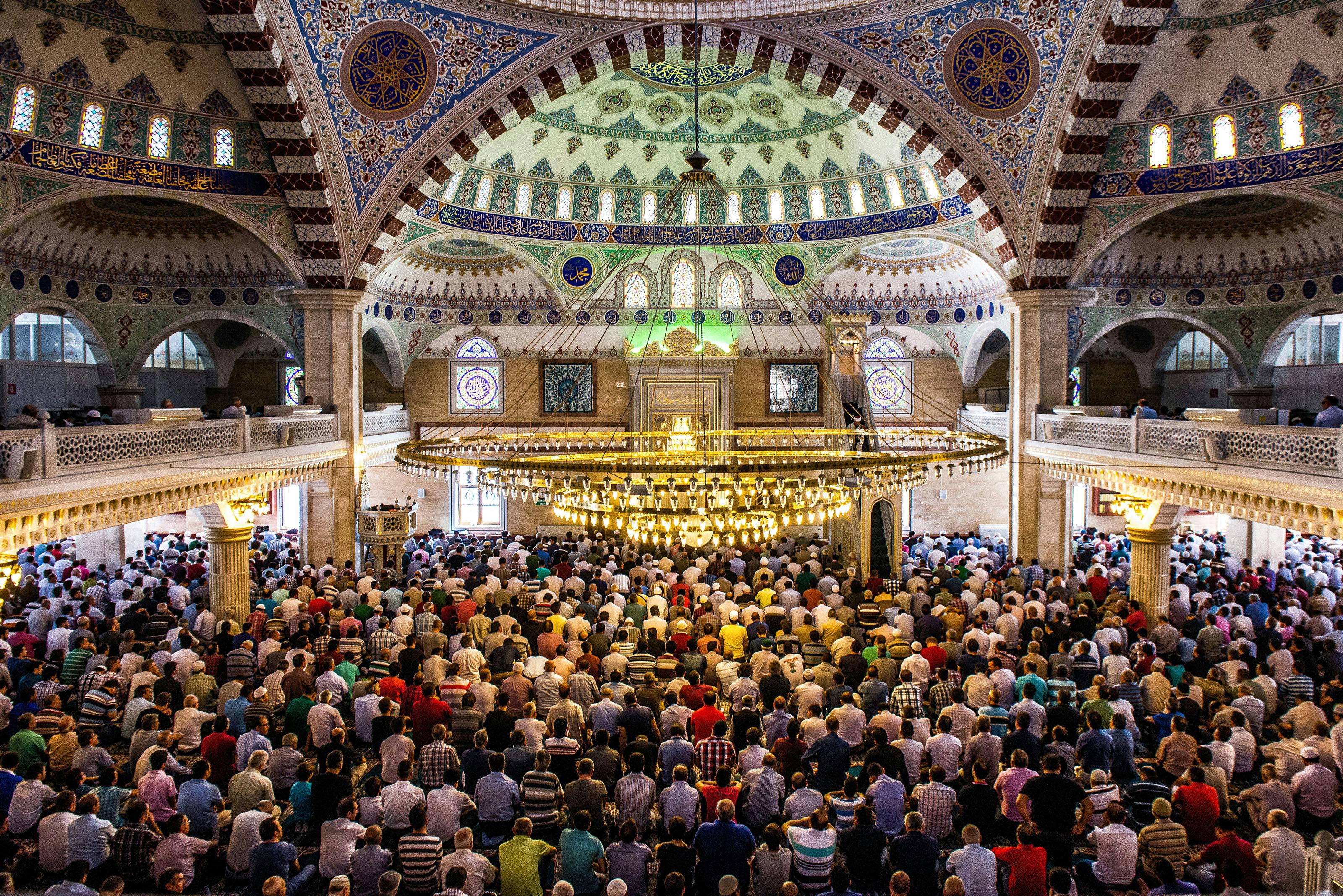
If we look at the millions of Hindu devotees taking a holy dip at the Kumbh Mela, or the vast crowds moving through Mecca and Medina, we see a market structure that looks less like an exclusive country club and more like a high-tech "Freemium" Platform.
1. The Power of the "Free Rider"
In many Eastern traditions and global faiths, "free riders" aren't a bug; they are a feature. In religions like Hinduism, Sikhism, or Islam, the poor may partake in the food (Langar), the lodging, and the spiritual experience without contributing a cent.
In this "Enterprise," the "Free" tier provides something money can't buy: Scale and Legitimacy. A pilgrimage of ten wealthy people is a private tour; a pilgrimage of ten million is a civilizational phenomenon. This scale creates a "Social Capital" that makes the enterprise prestigious enough for the "Dedicated Core" (the wealthy) to want to fund it.
2. The Religious Multiplier Effect
The "business" of religion isn't just about what happens inside the temple or mosque. It is a massive economic engine. When a pilgrim spends a dollar, that dollar doesn't just sit in a donation box. It circulates through:
-
The Government: Who builds the roads, railways, and sanitation to support the "scale."
-
The Private Sector: The hotels, restaurants, and transport industries that create a tiered pricing model—luxury for the wealthy, and basic convenience for the masses.
-
The Philanthropic Core: The wealthy donors who provide the "venture capital" for free kitchens and shelters, seeing their contribution not as a membership fee, but as a spiritual investment.
3. A Strange, Beautiful Market
By keeping the "entry cost" low or even zero, these religions ensure that the enterprise remains "too big to fail." The government, the travel industry, and the food sector all "chip in" to keep the structure intact because they are all silent stakeholders in the ecosystem.
The author of the WSJ piece was right: religion is a strange market. But its true success might not come from how many people it excludes through high costs, but from how many people it includes through its grace. It is a market where the rich contribute and the poor partake, and in the end, the "enterprise" of faith grows stronger for everyone.
What do you think? Does this "Platform Model" better explain the success of the traditions you’ve seen than the "Club Model"? Or do you think the "soft costs" (like travel and time) still act as a filter, even if the financial cost is zero.
Source:
'The Economics of Reigion' Author: Roland Fryer from The Wallstreet Journal Dated 20th Apr 2026