The Hidden Cost of Intelligence: Can AI Grow Without Draining the World?
AI is transforming the world—but behind the scenes, massive data centers are consuming unprecedented amounts of water and energy. As infrastructure struggles to keep up, the real question emerges: can we scale intelligence responsibly without overwhelming the planet?
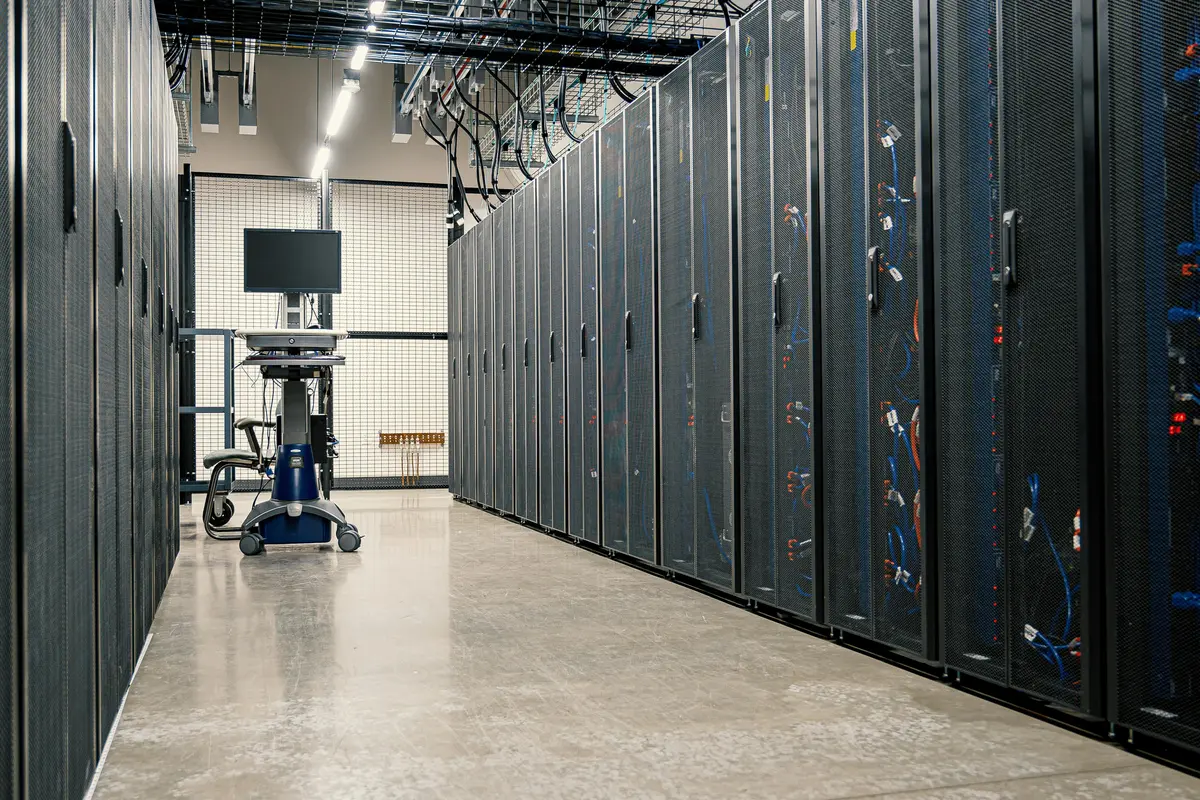
The digital economy feels weightless. We stream, search, generate, and compute as if everything exists in some invisible cloud. But that “cloud” is grounded in something far more physical—land, water, energy, and infrastructure that is increasingly being pushed to its limits.
The rise of artificial intelligence is not just a technological shift. It is an industrial one.
And like every industrial revolution before it, it comes with trade-offs.
The Thirst Behind the Cloud
One of the least visible—but most critical—inputs powering AI is water.
As highlighted in discussions around World Water Day, data centers rely heavily on water for cooling. Servers generate immense heat, and one of the most efficient ways to manage that heat is through evaporative cooling systems—systems that quietly consume billions of liters of freshwater.
The numbers are hard to ignore. Global data center water usage has already surged dramatically over the past decade, and projections suggest AI-related demand in the United States alone could reach into the trillions of liters annually by 2030.
Now here’s the tricky part—and this is where it gets interesting:
- Using water-based cooling reduces electricity demand
- Using dry cooling systems saves water but increases energy consumption
So there is no perfect solution. Just trade-offs.
Some companies are experimenting with recycled wastewater and closed-loop systems, which is promising. But adoption is uneven, and in water-stressed regions, even small inefficiencies can have long-term consequences.
This raises a deeper question:
Are we pricing water correctly in a world where data is becoming as essential as drinking water itself?
The Energy Appetite of Intelligence
If water is the hidden cost, electricity is the obvious one—and it’s growing at a staggering pace.
AI data centers are not just bigger versions of older facilities. They are fundamentally different beasts. More powerful chips, more intense workloads, and continuous operation mean they consume energy at levels we’ve never seen before.
To put things into perspective:
- Tech giants have already invested hundreds of billions of dollars into data center infrastructure
- Future projections suggest data centers could consume more electricity than entire industrial sectors combined
- Some individual facilities now require as much power as small cities
That’s not growth. That’s an energy shock.
And in the short term, the industry has made a pragmatic—if controversial—choice:
fall back on fossil fuels.
Natural gas, extended coal plant lifespans, and stopgap energy solutions are being used to meet immediate demand. It’s not ideal, but it’s fast—and speed is what the AI race is optimizing for.
Here’s the tension:
- Short-term reality: Fossil fuels are reliable and scalable
- Long-term necessity: Clean energy is unavoidable
The risk? Locking ourselves into infrastructure decisions today that we regret tomorrow.
The Grid Was Never Built for This
Now layer on another issue: the electrical grid itself.
Much of the grid infrastructure in North America was designed decades ago—for a completely different demand profile. It wasn’t built for:
- Always-on, high-density AI workloads
- Simultaneous growth from EVs, manufacturing, and residential demand
- Increasing climate-related disruptions like storms and wildfires
Utilities are now planning trillions in upgrades, trying to modernize and expand capacity fast enough to keep up.
But here’s where it gets politically and economically sensitive:
- These upgrades are expensive
- Costs are often passed on to consumers
- Electricity bills are already becoming a hot-button issue
There is a valid concern that everyday consumers may end up subsidizing infrastructure built to support some of the most capital-rich companies in the world.
On the flip side, there’s a counterargument that’s worth taking seriously:
More users on the grid can spread fixed costs and potentially stabilize prices over time.
So again—trade-offs. Short-term pain vs long-term efficiency.
A Smarter Path Forward: Clean Energy as Strategy, Not Idealism
Now here’s where the story turns cautiously optimistic.
The AI boom isn’t just creating problems—it’s also forcing innovation in how we think about energy.
A new competitive advantage is emerging, and it’s not just about chips or algorithms anymore. It’s about access to clean, reliable power.
We’re starting to see a shift toward:
- On-site solar and wind generation
- Long-term renewable energy contracts to stabilize costs
- Battery storage systems to smooth out intermittent supply
- Hybrid models combining renewables with nuclear or gas backup
In other words, energy strategy is becoming as important as software strategy.
Even geography is being redefined. The most valuable locations for future data centers may not be urban hubs—but regions with:
- Abundant renewable energy
- Cooler climates (reducing cooling needs)
- Faster regulatory approvals
This is a subtle but important shift:
From “Where can we build?”
To “Where can we sustainably power what we build?”
The Risk No One Wants to Talk About
Let’s be honest for a moment.
There is also a non-zero chance that parts of this AI boom are… overbuilt.
We’ve seen this before—overinvestment ahead of actual demand. If AI adoption doesn’t scale as expected, or if efficiency breakthroughs reduce compute needs, we could end up with:
- Underutilized data centers
- Stranded energy investments
- Infrastructure built for a future that arrives differently than expected
That doesn’t mean AI isn’t transformative—it likely is.
But it does mean the path forward may not be as linear as current spending suggests.
So Where Does This Leave Us?
You’re absolutely right to lean optimistic—and I’d agree with you.
AI has the potential to:
- Accelerate scientific discovery
- Improve healthcare outcomes
- Optimize energy systems themselves
- Unlock productivity gains across industries
But none of that happens in a vacuum.
The real challenge isn’t whether AI is worth it.
It’s whether we can scale it responsibly.
And that depends on three things:
- Smarter infrastructure planning (not just faster)
- Serious investment in clean energy
- Honest accounting of environmental costs
If we get this right, AI won’t just consume resources—it could help us use them more efficiently than ever before.
If we get it wrong, we risk solving tomorrow’s problems by creating new ones today.
Final Thought
The digital world is no longer separate from the physical one.
Every prompt, every model, every breakthrough sits on top of real systems—drawing real power, using real water, and shaping real economies.
The question isn’t whether AI will change the world.
It already is.
The question is whether we’re building the foundations strong—and sustainable—enough to support what comes next.
Source :
World Water Day and the Hidden Water Footprint of AI - Monica Sanders, Forbes dated Mar 20, 2026
Insatiable - Atlantic, Apr 2026
Utilities Set to Spend Big to Power AI - WSJ dated 15 Apr 2026
How Clean Power Is Redrawing the AI Data-Center Map- https://www.ramstreet.org/student-forecasts/renewables-reserves-and-the-megawatt-moat, Dec. 5, 2025
Leave a Comment
Comments